POSTED ON 25 MAY 2026
READING TIME: 2 MINUTES
ANGA COM 2026: Consolidating Fibre Networks Is Only Half the Challenge
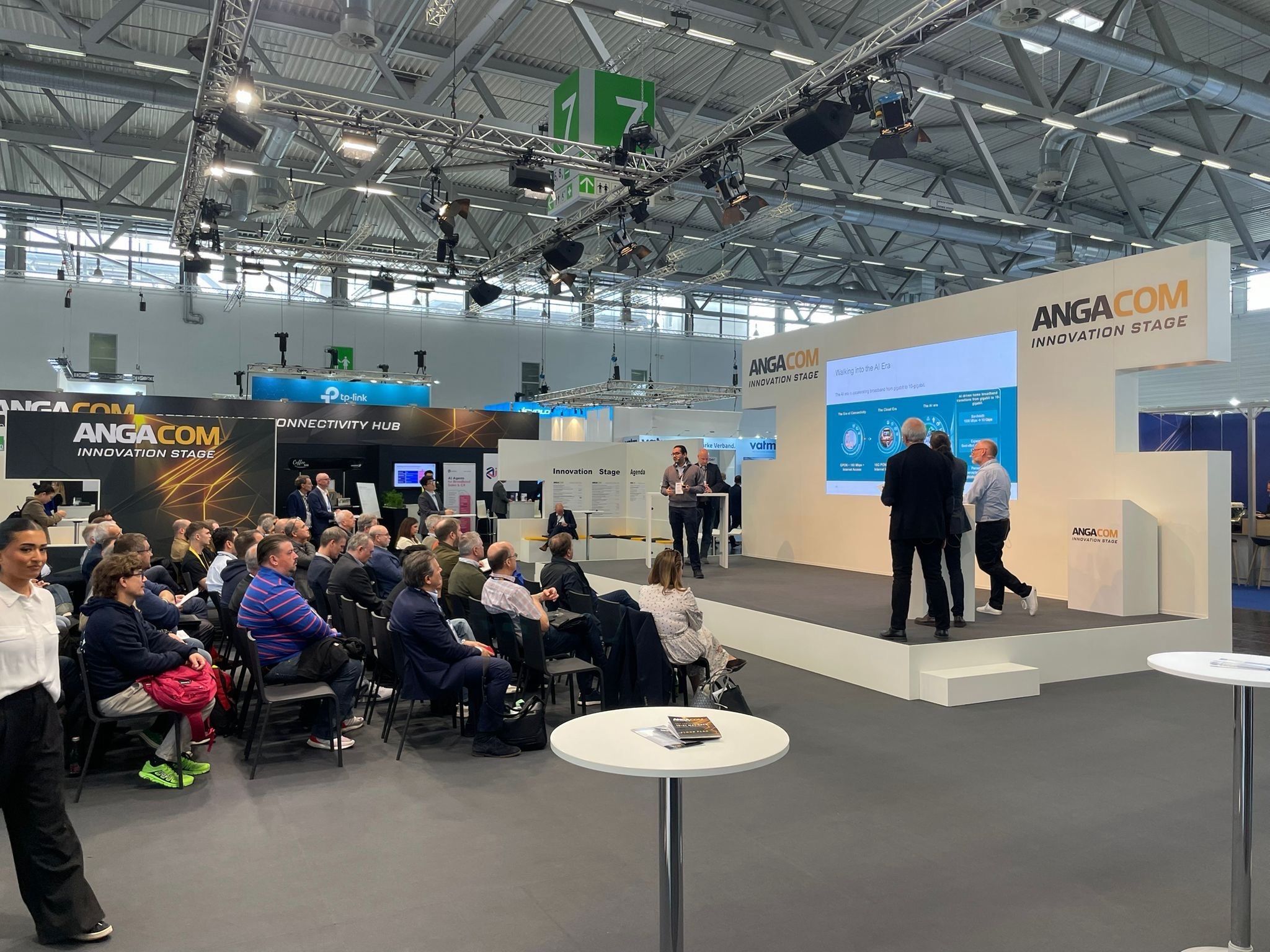
Glen Farrell and Niall Halpenny recently represented Sonalake at ANGA COM in Cologne, joining broadband and telecommunications industry leaders from across Europe and beyond.
One of the recurring themes in conversations was consolidation, as fibre markets mature and operators increasingly turn their attention from network deployment towards commercial growth.
Consolidation makes sense. Combining networks can create greater coverage, economies of scale and a more attractive proposition for wholesale partners. But bringing networks together doesn't necessarily mean bringing the businesses that operate them together. Different networks often come with different products, pricing structures, commercial agreements and operational systems. An operator might have a larger network following an acquisition, but still find itself managing multiple ways of qualifying services, processing orders, onboarding partners and billing customers.
That complexity matters because the commercial value of a consolidated network depends on how easily operators can make it available to the market. For an ISP, a larger network is attractive, but less so if accessing it means dealing with different processes and integrations depending on the underlying infrastructure. For the network operator, every manual workaround or duplicated process adds cost and makes further growth more difficult.
The challenge isn't simply to consolidate infrastructure, but to create a commercial and operational model that allows the combined network to function as one business, even where the underlying infrastructure remains diverse.
This is an area we're particularly interested in at Sonalake. SwitchedOn Fibre helps wholesale operators and aggregators manage multiple networks, partners and commercial relationships through a common BSS platform, automating processes from service qualification through ordering and billing. Our experience has shown us just how important it is to separate the complexity of the underlying networks from the experience presented to the service providers using them.
As the fibre market matures, we expect the ability to simplify this complexity to become increasingly important. The operators that benefit most from consolidation won't necessarily be those with the largest networks, but those that can make their networks easiest to consume and most efficient to operate.
ANGA COM was also a valuable opportunity to reconnect with partners, customers and colleagues across the industry. If you're consolidating networks or expanding your wholesale business, we'd welcome a conversation about the commercial and operational challenges involved.